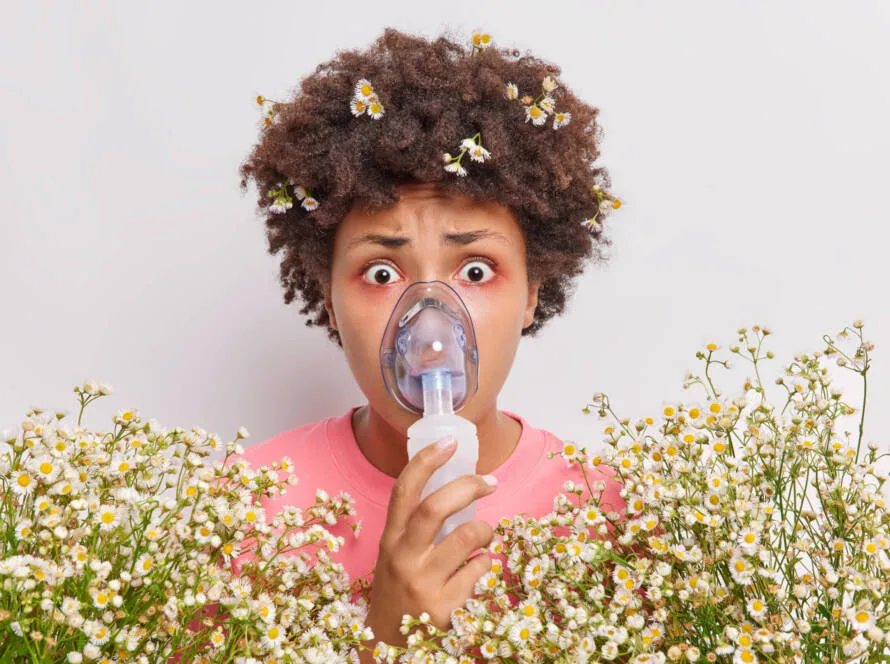
Allergic rhinitis belongs to a group of clinical conditions called ‘allergies’, in which the immune system reacts in an exaggerated and excessive way. Other common allergies are: allergic asthma, atopic dermatitis, food allergies and anaphylaxis.
What is allergic rhinitis? Allergic rhinitis is an inflammatory condition of the upper respiratory tract characterised by sneezing, runny nose, itchy nose and nasal congestion, symptoms which, depending on their intensity, can affect quality of life. These symptoms are triggered by exposure to allergens (substances that can cause allergies) present in the air we breathe, such as: pollen, dust mites, animal dander, mould, bacteria, tobacco, urban and industrial pollution, chemtrails, as well as chemicals present in household hygiene products, furniture construction and home covering materials, among others.
There are more and more scientific studies pointing to the toxic overload on the immune system resulting from unnatural eating, with direct negative consequences: on the permeability of the intestinal wall, allowing undesirable substances to pass into the blood; and on the intestinal flora, which plays an important role in our immunity.
Environment and Epidemiology
The prevalence of allergic diseases such as asthma, allergic rhinitis and atopic dermatitis has increased dramatically over the last three decades in developed countries, and allergies are now the most common chronic disease among children worldwide.
The environment plays a determining role in the distribution of the prevalence of allergic rhinitis in the population, namely: living in an urban or rural environment; by the sea or at altitude; with a humid or dry climate, and types of vegetation associated with these types of climate.
It’s important to realise that more and more toxins are entering our bodies at the same time: thousands of times more in volume and diversity than our grandparents and great-grandparents were subjected to. This includes foods with pesticides (agrotoxins), hormones, antibiotics; processed foods with colourings, preservatives, flavourings; artificial ‘foods’ (such as marshmellows or soft drinks); genetically modified cereals and seeds, among many others – all of which put a strain on the immune system.
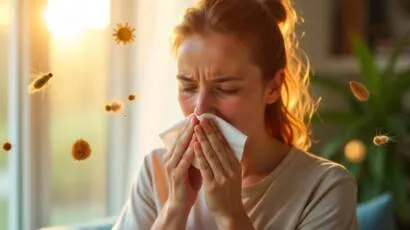
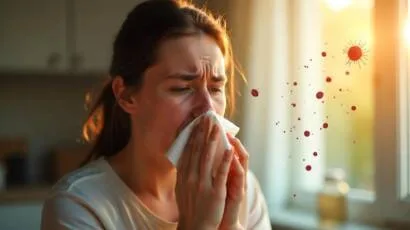
It is also known that the air we breathe indoors is 2 to 5 times more polluted than the air outside; plus the fact that, on average, we spend two thirds of our lives indoors.
It has therefore been identified that respiratory reactivity to allergens is conditioned or aggravated by the continuous accumulation of unnatural substances in our bodies, overloading the immune system. As we ‘evolve in living conditions’, the greater the number of allergenic substances in our environment and, consequently, the prevalence of allergic rhinitis and other allergies has been increasing.
According to the 2019 health survey, it is estimated that around 17.8 per cent of the adult Portuguese population has been diagnosed with allergic rhinitis at some point in their lives. The prevalence was higher in women than in men (21.1 per cent versus 13.9 per cent, respectively). A 2016 study estimated that its prevalence in children aged between 6 and 7 was approximately 22 per cent, while in adolescents aged 13 and 14 it was around 27 per cent. This is a public health problem, as it affects around two million people in Portugal.
Spain has one of the highest rates of respiratory allergies in Europe. According to recent figures, almost 30 per cent of the Spanish population suffers from some kind of allergy, with pollen and dust mite allergies being the most common. The general prevalence rate of allergic rhinitis varies between 10 and 25 per cent, depending on geographical conditions and various environmental exposure factors; varying in younger populations: 8.5 per cent in children aged 6 to 7, and 16.3 per cent among teenagers aged 13 to 14.
What is Allergic Rhinitis?
The function of the immune system is to defend us against possible aggressors. In the case of allergic rhinitis, there is a hyper-reactivity of the defence mechanisms that is apparently disproportionate to the dangerousness of the aggressor.
The allergic response consists of two phases – early and late. The process is triggered by exposure to allergens such as pollens, dust mites, animal dander or fungi. The early phase begins within minutes of exposure to the allergen; it corresponds to the recognition of the offending agent by the immune system and lasts around 2 to 3 hours. The late phase begins around 4 to 8 hours after exposure to a relevant allergen; it is the imminently inflammatory phase and is characterised by a great deal of mucus production and nasal congestion. These late-phase changes are thought to contribute to bronchial hyperreactivity.


Pollen, dust mites, mould and animal hair are not the cause of allergic rhinitis, but they are the triggers of the allergic response. In other words, the immune system is already on ‘overload’ and when, for example, dust mites (found in bed linen) come into contact with the mucous membrane of the nose, they act as triggers, setting off the allergic response.
Allergic rhinitis can be categorised based on the duration (intermittent or persistent) and severity (mild or moderate-severe) of the symptoms. Intermittent rhinitis (present less than 4 days a week, or lasting less than 4 weeks) essentially corresponds to seasonal rhinitis, associated with pollens, also known as ‘hay fever’, which predominates in spring, but can also occur in autumn. Persistent rhinitis is more common in geographical regions where pollens remain for longer periods, or in damp areas where mould has accumulated; but it can also be conditioned by the indoor environment (home or work). Allergens present in indoor environments:
- dust mites in bed linen, sofas, curtains, carpets, etc., due to insufficient hygiene;
- moulds, fungi and mildews due to excessive humidity and lack of natural ventilation or insufficient ventilation;
- flaws in the filtering systems of spaces without natural ventilation;
- chemicals, present: in the covering materials of houses and furniture; in personal and household hygiene products; in tobacco; in synthetic fabrics for clothing; in professional activities.



It is considered mild rhinitis if: it doesn’t interfere with sleep; it doesn’t interfere with daily, work/school, sports or leisure activities; and, it doesn’t have bothersome symptoms. It is considered moderate to severe rhinitis if it interferes with at least one of the above situations.
Rhinitis means inflammation of the nasal mucosa. Apart from allergic rhinitis, there are other causes of rhinitis. Vasomotor rhinitis results from a dysfunction of the blood vessels in the nose, which can react to sudden changes in temperature, strong odours or stress. Infectious rhinitis is caused by micro-organisms, usually bacteria or viruses (e.g. colds and flu).
Symptoms of Allergic Rhinitis
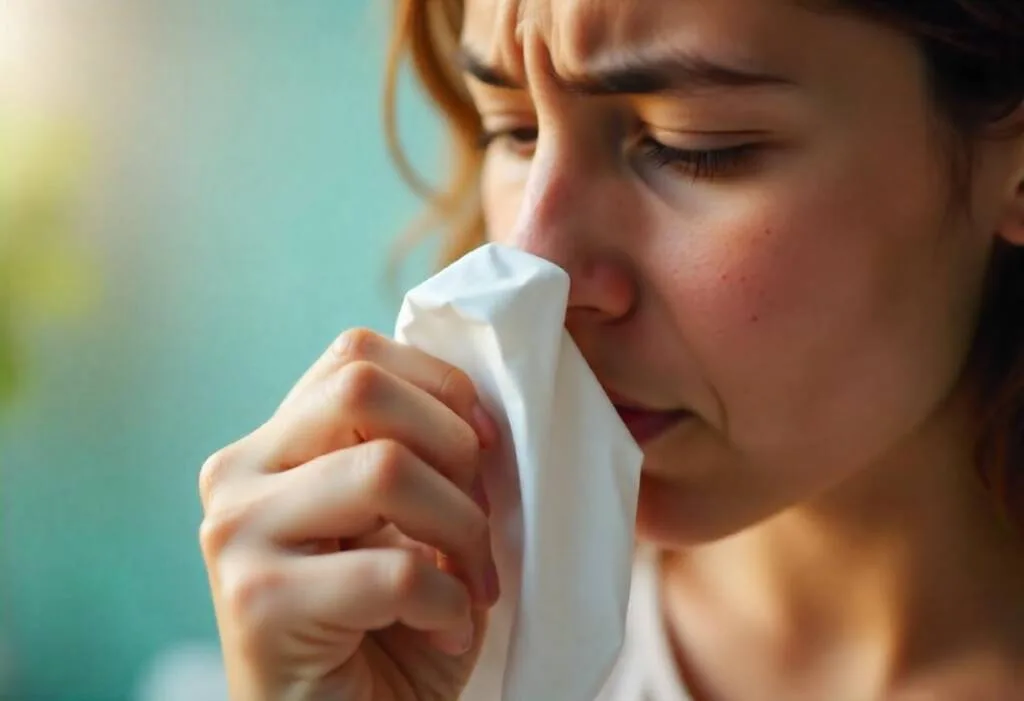
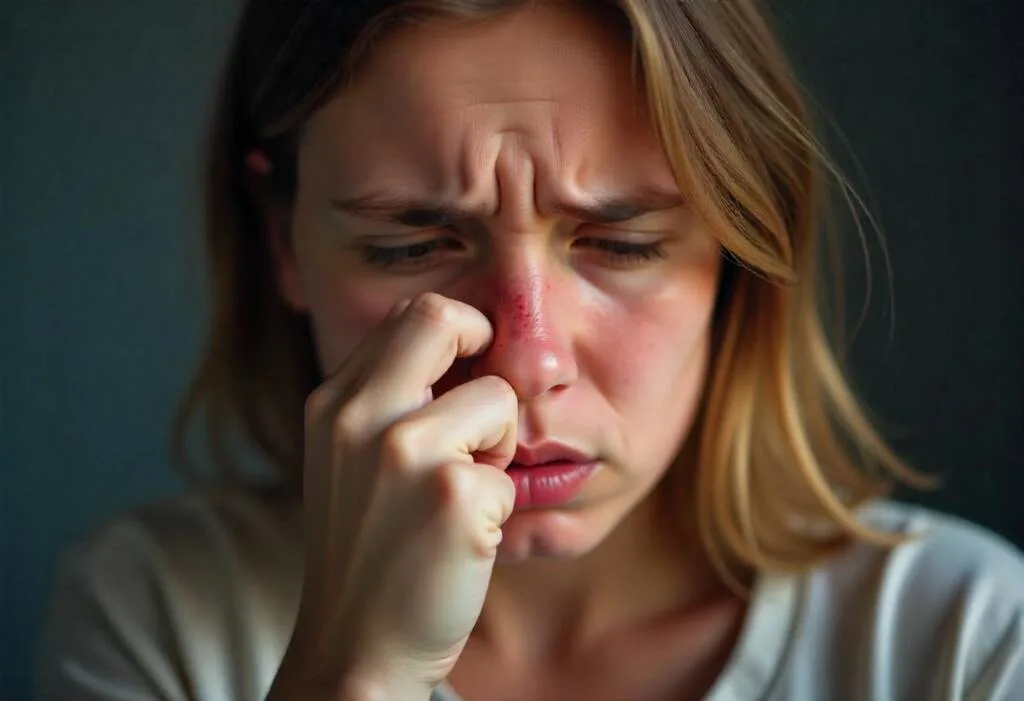
The main symptoms of allergic rhinitis are: sneezing (often in spells), nasal pruritus (itchy nose), watery rhinorrhoea (runny nose) and nasal congestion. At the same time, there may be: eye symptoms (itchy eyes, red eyes and/or tearing); posterior rhinorrhoea (nasal discharge that flows down the pharynx into the mouth and larynx); itching of the palate (roof of the mouth); and irritation of the throat with coughing, which can become chronic in persistent rhinitis.
Allergic rhinitis can lead to and/or be associated with bronchial asthma.
Rhino-sinusitis or sinusitis is the inflammation or infection of the mucous membranes of the peri-nasal sinuses. These are internal cavities in the bones of the face and skull that communicate with the nasal cavities. Sinusitis is a clinical condition that is difficult to treat when it becomes chronic and can be associated with allergic rhinitis. Rhinitis can also be associated with otitis media (in the middle area of the ear canal), especially in children.
All the mucous membranes (internal lining membranes of our organs) that are in continuity with the nasal cavities (internal cavities of the nose) can become inflamed as an ‘extension’ of the inflammation of allergic rhinitis, as there are no physical barriers between them.

In addition to the clinical conditions associated with allergic rhinitis mentioned above, there may also be other concomitant clinical conditions such as nasal polyposis, adenoid hypertrophy, eustachian tube dysfunction, sleep apnoea, laryngitis and gastro-oesophageal reflux.
How to Diagnose Allergic Rhinitis?
t is important to make an accurate diagnosis of allergic rhinitis, excluding other pathologies such as: colds, infectious rhinitis, vasomotor rhinitis, drug rhinitis (due to excessive use of nasal decongestants), chronic sinusitis, nasal polyposis, deviations of the nasal septum.
The diagnosis of allergic rhinitis is based on clinical history, examination of the nasal passages, blood tests and, in some persistent and intense cases, skin prick tests, with the introduction of small amounts of allergens to identify the degree of reactivity of the organism to each one. There are two more levels of diagnostic tests, of increasing complexity and cost, to be used in specific situations.
Main differences between allergic rhinitis, sinusitis and colds:
| Feature | Allergic Rhinitis | Sinusitis | Common Cold |
|---|---|---|---|
| Cause | Allergy | Inflammation or infection | Viral infection |
| Nasal discharge | Clear and watery | Thick, yellow/green | Clear at first; then yellowish |
| Sneezing | Frequent | Rare or absent | Occasional |
| Itching (nose, eyes, ears) | Yes | No | No |
| Facial bone pain | No | Yes, intense (forehead, cheeks, around the eyes) | Possibly, but mild |
| Fever | No | May occur | May occur, usually mild |
| Duration | As long as there is exposure to the allergen | 10–14 days (acute) or months (chronic) | 5–10 days |
| Other frequent symptoms | Nasal congestion; watery eyes | Headache; loss of smell | Sore throat; mild fatigue |
How to Diagnose Allergic Rhinitis?
Given that the symptoms of allergic rhinitis are triggered by overload and hyper-reactivity to substances external to our body, implementing preventive measures to avoid such contact is the smartest and most effective way to minimise or cancel out the onset of acute crises, and to help minimise or reverse persistent allergic rhinitis (commonly known as chronic).
There are many preventive measures that can be implemented and they should be chosen according to the established medical diagnosis.


There are two key groups of preventive measures:
- Dietary and Digestive Measures: reduction of non-natural foods and beverages, and choosing a more natural diet; additionally, in some cases, the intake of probiotics (consult a healthcare professional). Probiotics are formulations of specific microorganisms that are considered essential in maintaining the balance of the intestinal microflora, i.e., the health of our microbiome. They play physiological roles and have unique therapeutic effects in maintaining the mucosal barrier and immune function of the gastrointestinal tract.
- Respiratory Measures: reducing contact with allergens which may include:
- Avoiding pets; reducing or eliminating materials that accumulate dust, mites, and moulds: curtains, carpets, upholstered cushions and sofas;
- In cases of severe reactivity to pollen, plan outings based on the pollen forecast from the Portuguese Aerobiology Network (e.g., for Lisbon: https://www.rpaerobiologia.com/previsao-polinica/lisboa) or the Spanish Aerobiology Network (https://www.uco.es/rea/?page_id=262);
- Reducing dust and mites – frequent washing of bed linen and possibly using dust-mite-proof mattresses, covers, and pillows;
- Air purification with certified medical equipment, as it removes all types of particles from the indoor air, whether inert (dust, tobacco smoke, chemical particles from hygiene products, etc.) or biological in origin (pollen, mould, fungi, dust mites, bacteria, viruses);
- Nasal hygiene with saline solution to remove allergens from the respiratory tract.
In addition to preventive measures, it may be necessary to treat allergic rhinitis with medication.
It is also important to highlight the relevance of two critical choices early in life that ensure a more competent immune system: vaginal natural birth (versus caesarean section) and prolonged breastfeeding (versus short-duration breastfeeding or feeding with artificial or cow’s milk).
Treatments for Allergic Rhinitis
In general terms, treatment for allergic rhinitis is based on environmental control measures, pharmacological therapy and, in selected cases, the use of immunotherapy with allergens.


- Environmental control or avoidance measures: these are strategies to minimise exposure to allergens – see the preventive measures mentioned in the previous section. I would emphasise the importance of using air purifiers (certified as medical devices) in homes in urban areas, or in environments with a high density of suspended particles, such as in the workplace.
- There are several groups of drugs used to treat allergic rhinitis, the most common of which are:
- Antihistamines are medications designed to reduce the action of histamine (a substance produced in large quantities during an allergic reaction that not only triggers the initial symptoms of allergic rhinitis but also contributes to the persistence of these symptoms). They can be administered orally or applied topically via the nasal route. Their most effective actions are in reducing: sneezing, nasal discharge, and nasal and ocular itching. Caution: they may cause drowsiness and impair motor coordination.
- Topical Nasal Glucocorticoids: These are considered the cornerstone of allergic rhinitis treatment due to their anti-inflammatory action, allowing control of the main symptoms: sneezing, itching, rhinorrhea, and nasal obstruction. They are recommended as the treatment of choice for allergic rhinitis in both adults and children.
- Nasal Decongestants: There are several groups with different modes of action to minimise symptoms: controlling rhinorrhea, nasal obstruction, and conjunctivitis.
- Specific Allergen Immunotherapy: Known as “allergy shots”, this is the only therapeutic option that modifies the underlying immune mechanism of allergic rhinitis by progressively desensitising the body to the triggering allergens. It is indicated in the treatment of moderate-to-severe allergic rhinitis.
- Natural Remedies: Nasal irrigation with saline solution; thermal hydrotherapy (treatments with thermal waters); nasal irrigation with seawater or bathing in the sea. Both thermal hydrotherapy and sea baths have beneficial effects in the short and medium term.
Please note: consult your doctor when choosing the most suitable and safe medication for you.
Conclusion
Given the variability of factors that trigger allergic rhinitis, specific diagnosis is important for the most appropriate treatment. Consult a doctor specialising in allergies (allergist) for more personalised treatment in the case of allergic rhinitis with moderate to severe symptoms.
Our health depends on the healthier lifestyle choices we consistently make every day – this is something that can no longer be ignored. In the case of allergic rhinitis, all preventive measures are the smartest and most effective choice to prevent the onset of severe or persistent clinical conditions, with negative consequences for well-being, mood, physical and mental performance, social and professional life and loss of quality of life.
TAKE CARE OF YOUR HEALTH – CHOOSE YOURSELF!
Some Bibliography
- Caldeira, L.E., Silva, T., Martins-dos-Santos, G., & Pereira, A.M. (2021). Allergic Rhinitis – Classification, Pathophysiology, Diagnosis, and Treatment. Revista Portuguesa de Imunoalergologia, 29(2), 95-106. https://doi.org/10.32932/rpia.2021.07.057
- Rodríguez-Mosquera, M. (2000). Allergic Rhinitis. Sistema Nacional de Salud, Vol. 24–N.o 1. http://www.msc.es/farmacia/infmedic
- Halloran, K., & Underwood, M.A. (2019). Probiotic Mechanisms of Action. Early Human Development, 135, 58-65. https://doi.org/10.1016/j.earlhumdev.2019.05.010
- Fiocchi, A., Cabana, M.D., & Mennini, M. (2022). Current Use of Probiotics and Prebiotics in Allergy. Journal of Allergy and Clinical Immunology: In Practice, 10(9), 2219-2242. https://doi.org/10.1016/j.jaip.2022.06.038
- Obbagy, J.E., English, L.K., Psota, T.L., Nadaud, P., Johns, K., Wong, Y.P., Terry, N., Butte, N.F., Dewey, K.G., Fleischer, D.M., Fox, M.K., Greer, F.R., Krebs, N.F., Scanlon, K.S., Casavale, K.O., Spahn, J.M., & Stoody, E. (2019). Types and Amounts of Complementary Foods and Beverages and Food Allergy, Atopic Dermatitis/Eczema, Asthma, and Allergic Rhinitis: A Systematic Review. USDA Nutrition Evidence Systematic Review. https://doi.org/10.52570/NESR.PB242018.SR0304
- Liu, A., Ma, T., Xu, N., Jin, H., Zhao, F., Kwok, L.Y., Zhang, H., Zhang, S., & Sun, Z. (2021). Adjunctive Probiotics Alleviates Asthmatic Symptoms via Modulating the Gut Microbiome and Serum Metabolome. Microbiology Spectrum, 9(2), e0085921. https://doi.org/10.1128/Spectrum.00859-21